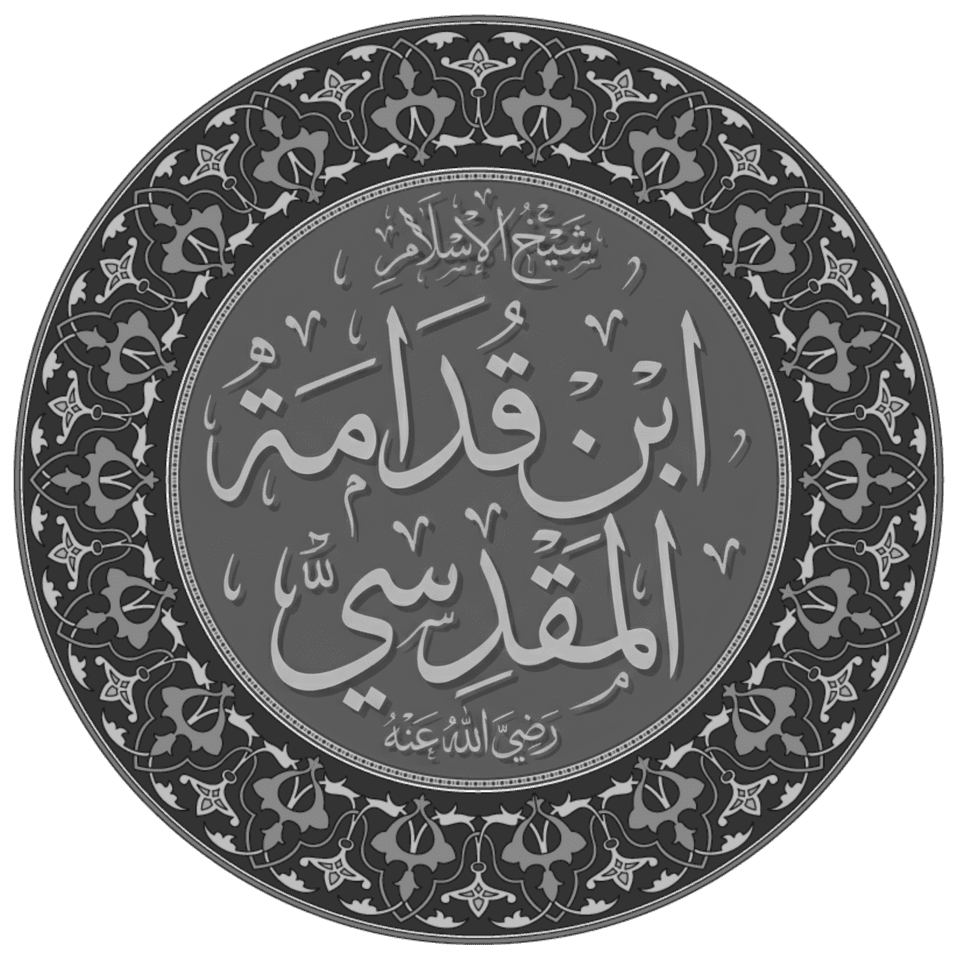
Muwaffaqu-d-Dīn ʾAbū Muḥammad ʿAbdullāh ibn ʾAḥmad ibn Muḥammad ibn Qudāmah al-Maqdisī was born in Shaʿbān of the year 541 AH in the village of Jammāʿīl, situated in the hills near Nābulus in Palestine. He came from a household of learning and piety; later historians report that they traced their lineage to the household of ʿUmar ibn al-Khaṭṭāb رضي الله عنه. From his earliest years he showed a strong inclination toward knowledge, memorising the Qurʾān in childhood and distinguishing himself among his peers in recitation and study. Those who knew him in those early years noted the unusual clarity of his handwriting alongside the quality of his memory.¹
When he was still young, his family migrated to Dimashq, where a community of scholars originally from the region of Palestine had settled. There he memorised the Mukhtaṣar of ʾal-Khiraqī — one of the earliest authoritative manuals of Ḥanbalī jurisprudence — and began formal study with the scholars of the city. Dimashq during that period had become one of the foremost centres of Sunnī scholarship in the Islamic world, and it was there that the foundations of his later mastery of jurisprudence and Ḥadīth were firmly established.²
In the year 561 AH he travelled to Baghdād accompanied by his maternal cousin, the celebrated Ḥadīth master ʾal-Ḥāfiẓ ʿAbdu-l-Ghanī al-Maqdisī.³ Upon arriving in the city, they attended the gatherings of the renowned walī, jurist, and ascetic Shaykh ʿAbdu-l-Qādir ʾal-Jīlānī⁴ during the final period of that scholar's life, remaining at his school and benefiting from his circle. He then studied under the scholars of Baghdād, among them ʾAbū-l-Fatḥ ibn ʾal-Baṭṭī,⁵ Hibatullāh ibn ʾal-Ḥasan ʾad-Daqqāq,⁶ ʾAbū Zurʿah ibn Ṭāhir,⁷ Yaḥyā ibn Thābit,⁸ and the female Ḥadīth master Khadījah ʾan-Nahrawāniyyah.⁹ He also attended the lessons of the celebrated Ḥanbalī scholar, historian, and preacher Ibn ʾal-Jawzī.¹⁰
After returning to Dimashq he continued travelling in pursuit of knowledge, performing the Ḥajj and meeting scholars in Makkah ʾal-Mukarramah. He eventually settled permanently in Dimashq, where he devoted himself entirely to teaching, writing, and legal instruction. His study circle attracted many students who became leading scholars in their own right, among them ʾaḍ-Ḍiyāʾ al-Maqdisī,¹¹ ʾal-Ḥāfiẓ ʾal-Mundhirī,¹² and ʾAbū Shāmah al-Maqdisī.¹³ He came to be recognised as the foremost authority of the Ḥanbalī madhhab of his era, and Ibn ʾan-Najjār described him as the ʾImām of the Ḥanābilah in the Masjid ʾal-Umawī — trustworthy, noble, exceedingly generous, and of such pure character that one could benefit simply from being in his presence.¹⁴
During the era of Ṣalāḥu-d-Dīn ʾal-ʾAyyūbī he was among the scholars who personally accompanied the Muslim armies in campaigns against the Crusader states, and was present at the liberation of ʾal-Quds. Ibn Kathīr records that he, his brother, their cousin ʾal-Ḥāfiẓ ʿAbdu-l-Ghanī, and Shaykh ʾal-ʿImād did not cease accompanying Ṣalāḥu-d-Dīn on his campaigns against the Franks. ʾAl-Bahāʾ al-Maqdisī further attests that he advanced toward the enemy on the battlefield and was wounded on his hand during the fighting.¹⁵
He remained in Dimashq engaged in scholarship, worship, and instruction until his death on the morning of ʿĪd ʾal-Fiṭr in the year 620 AH in Dimashq, at the age of seventy-nine. His funeral was attended by a vast gathering of scholars and people of the city, and he was buried on the slopes of Jabal Qāsiyūn overlooking Dimashq, where his grave remains a site of visitation.¹⁶